
Gemstone Information
Red Diamond – The Rarest Diamond Of All
Red diamonds aren’t just rare — they’re the rarest known diamonds on Earth. While white diamonds are cherished for their clarity and brilliance, a red diamond commands attention for its bold color and legendary scarcity. These stunning gems belong to a select group known as fancy color diamonds, and they’re so rare that only a handful have ever been documented.
Whether you’re a gemstone collector, an investor, or simply captivated by the beauty of rare natural wonders, understanding what makes red diamonds so unique offers a glimpse into the extraordinary world of high-value gemstones. In this guide, we’ll uncover the origins, color science, famous specimens, and the mystique that surrounds the most elusive diamond of them all.
What Is A Red Diamond?
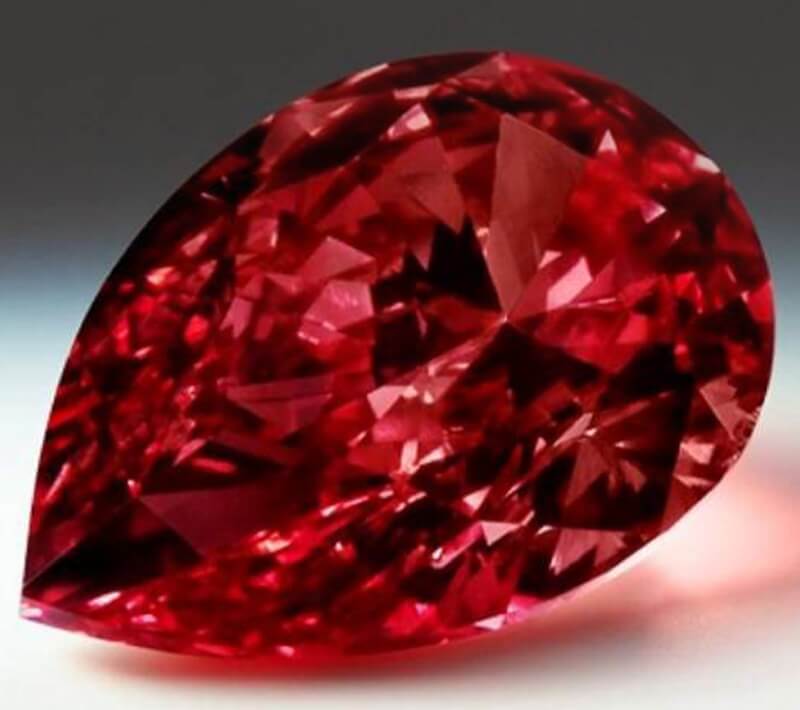
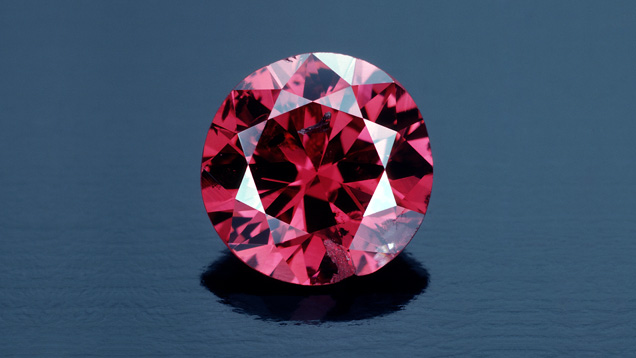
A red diamond is a type of natural fancy color diamond, prized for its vivid red hue and extreme rarity. Unlike most colored diamonds, which owe their color to chemical elements like boron or nitrogen, red diamonds contain no trace elements that affect color. Instead, their red appearance is the result of unique structural distortions in the diamond’s crystal lattice.
Most diamonds in this category are not purely red. Many display secondary tones such as pink, purple, or brown, which affect their classification and value. Only diamonds that are classified as predominantly red — without significant modifiers — are considered true red diamonds, making them exceptionally rare.
It’s important to note that red diamonds are chemically identical to traditional white diamonds: both are composed entirely of carbon. What sets red diamonds apart is the unusual way they interact with light due to these internal lattice distortions, resulting in a striking red color unlike any other gemstone.
Red Diamond Meaning
In color psychology, red is the symbol of power and passion. Diamonds symbolize innocence, fidelity, love, and strength. Put the two together, and the red diamond meaning embodies the strength to be faithful, and passion to love eternally.
Why Are Red Diamonds So Rare?
Red diamonds are considered the rarest of all natural diamonds. Their scarcity isn’t just marketing hype — it’s backed by data from the Gemological Institute of America (GIA), which recorded a 30-year span (from 1957 to 1987) during which not a single red diamond was officially submitted for grading. That level of absence is virtually unheard of in the diamond world.
What makes them so rare is not just the small quantity discovered, but the narrow set of geological conditions required to form them. Unlike blue or yellow diamonds, which develop their color through trace elements, red diamonds are created through intense internal pressure that alters the diamond’s atomic structure. These structural anomalies, known as glide planes, distort the crystal lattice and affect how light is absorbed and reflected—producing the deep red appearance.
Estimates suggest that fewer than 30 true, predominantly red diamonds over half a carat exist globally. Many of these are held in private collections or museum archives, rarely seen on the open market. That scarcity — combined with their mysterious formation — makes them one of the most prized gemstones among collectors and investors alike.
Where Are Red Diamonds Found?
Most of the world’s known red diamonds have come from one extraordinary source: the Argyle Mine in Western Australia’s East Kimberley region. Before its closure in 2020, the Argyle Mine was renowned for producing over 90% of the world’s supply of fancy color diamonds, including pink, violet, and red varieties. Its closure has only intensified the rarity and value of red diamonds on the global market.
In addition to Australia, several noteworthy red diamonds — including the famous Moussaieff Red Diamond and Hancock Red — have originated from Brazil, a region known for producing unusually rich diamond roughs. However, discoveries outside of these regions are incredibly rare and typically involve very small stones or specimens with modifying hues.
Because of their limited geographic sources and geological formation requirements, new discoveries of predominantly red diamonds are now exceedingly rare. Most red diamonds that appear in auctions or museums today are decades old and come from private collections or legacy mines.
How Do Red Diamonds Get Their Color?
The color of a red diamond doesn’t come from chemical impurities like it does in most other colored diamonds. Instead, its fiery hue is the result of intense atomic distortion deep within the Earth’s crust.
During their formation, red diamonds undergo tremendous pressure — especially in geologically active regions like the Argyle Mine in Western Australia or certain parts of Brazil. This pressure causes the diamond’s crystal lattice to shift along what gemologists call glide planes. These microscopic displacements interfere with how light travels through the diamond, bending it in a way that produces a red appearance.
The more glide planes a diamond has, the deeper and purer the red color tends to be. In contrast, diamonds with fewer or shallower lattice displacements often appear pink or brown. In fact, lightly saturated red diamonds are frequently classified as fancy purplish red or even fancy pink, depending on their color intensity.
This phenomenon makes red diamonds incredibly rare: the conditions needed to produce such an intense structural change are extremely uncommon, which is why so few diamonds ever achieve a true red classification.
Are All Red Diamonds Natural?
Not all red diamonds on the market are natural. In fact, the overwhelming rarity of naturally occurring red diamonds has led to the development of lab-grown and color-treated alternatives. While these stones may mimic the visual appeal of a natural red diamond, they are distinctly different in origin, structure, and value.
Treated red diamonds are typically created by exposing lower-grade colorless or brown diamonds to high-pressure, high-temperature (HPHT) processes or irradiation. These treatments can alter a diamond’s internal structure or stimulate defects that create a red appearance. However, treated stones are usually labeled clearly by gemological labs and carry significantly lower value than their natural counterparts.
Lab-grown red diamonds, on the other hand, are created in a controlled environment using chemical vapor deposition (CVD) or HPHT growth methods. While technically real diamonds in composition, they do not form naturally over millions of years, which limits their collectible and investment appeal.
To confirm authenticity, reputable sellers rely on certifications from institutions like the Gemological Institute of America (GIA), which can distinguish between natural, treated, and synthetic diamonds. For buyers seeking true rarity, only certified natural red diamonds hold long-term value and provenance.
Famous Red Diamonds in History
The Moussaieff Red Diamond
Regarded as the largest known natural red diamond in existence, the Moussaieff Red Diamond weighs 5.11 carats and is graded as “fancy red” by the GIA. It was originally discovered in the 1990s in Brazil as a 13.9-carat rough stone. Cut into a rare triangular brilliant cut, the diamond is now part of the private collection of the Moussaieff jewelry house. Its precise value remains undisclosed, but it’s estimated to be worth well over $20 million.

The DeYoung Red Diamond
The DeYoung Red is one of the very few red diamonds accessible to the public. Weighing 5.03 carats, it was initially mistaken for a garnet and purchased as part of a secondhand jewelry lot. After its true identity was discovered, it was donated to the Smithsonian National Museum of Natural History, where it remains on display. Its round brilliant cut and deep red hue make it one of the most significant red diamonds ever found.

The Hancock Red Diamond
Weighing just 0.95 carats, the Hancock Red might be small, but it made history in 1987 when it sold at auction for $880,000 — a staggering amount at the time. Originally purchased by Montana rancher Warren Hancock for $13,500, the sale marked one of the highest per-carat prices ever recorded for a gemstone, highlighting just how coveted natural red diamonds can be.
How Are Red Diamonds Cut?
Cutting a red diamond is a highly specialized process that balances artistry, precision, and conservation. Because these diamonds are so rare — and often discovered in small sizes — expert cutters must make strategic decisions to preserve color intensity while retaining as much carat weight as possible.
Unlike colorless diamonds, where the goal is maximizing brilliance, the priority in cutting a fancy red diamond is enhancing its color saturation. This often means using cutting styles like the brilliant cut or modified cushion cuts, which optimize light reflection and deepen the stone’s visible hue. The unique internal distortions that give red diamonds their color must be taken into account, as the orientation of the glide planes can influence how color appears from different angles.
The result is that every red diamond is a one-of-a-kind piece, not just in color but in shape and optical performance. Because so few are ever found, cutters typically err on the side of caution, preserving as much of the rough as possible without compromising visual impact.
Whether destined for a private collection or a museum exhibit, a well-cut red diamond is a masterpiece — a marriage of nature’s geological wonder and human craftsmanship.
Red Diamond Prices & Market Demand
Red diamonds consistently rank among the most expensive gemstones in the world — and for good reason. Their extreme rarity, combined with their visual allure and historical significance, drives both collector demand and investment interest.
On average, a natural red diamond can command prices starting at $1 million per carat, depending on factors like color intensity, clarity, cut quality, and carat weight. Stones with deeper red saturation — especially those classified as “fancy red” without modifying hues — are exceptionally valuable. For example, the 0.95-carat Hancock Red sold for $880,000 in 1987, setting a per-carat record at the time that helped redefine colored diamond pricing.
Because so few red diamonds appear on the open market, demand far exceeds supply. Most are traded through private sales, elite auctions, or held in long-term investment portfolios. The closure of Australia’s Argyle Mine has further restricted supply, fueling price appreciation for red, pink, and other fancy color diamonds.
Even treated or lab-created red diamonds maintain relatively high price points due to the cost of production and market intrigue. However, only GIA-certified natural red diamonds hold true collector and investment value.
In the world of fine gemstones, red diamonds are more than just beautiful — they’re incredibly rare assets with a proven track record of price growth and global fascination.
The Symbolism of Red Diamonds
Throughout history, the color red has symbolized passion, power, love, and vitality — qualities that align perfectly with the enduring legacy of diamonds. When combined, the symbolism of a red diamond represents a rare blend of emotional depth and unwavering strength.
In color psychology, red evokes intensity and desire. It’s the color of action and courage, often associated with deep, heartfelt emotion. Diamonds, on the other hand, symbolize purity, resilience, and eternal commitment. Together, they form a powerful union — a red diamond becomes a symbol of fierce love, bold individuality, and timeless devotion.
In some cultures, red gemstones are believed to stimulate life force energy or bring good fortune in matters of the heart. This spiritual dimension adds to the mystique and appeal of red diamonds, making them particularly meaningful for those who choose them for engagement rings or commemorative pieces.
Whether gifted as a token of enduring affection or chosen as a personal emblem of strength and uniqueness, the symbolism of a red diamond extends far beyond its rarity — it tells a story of passion, permanence, and personal power.
Final Thoughts
Few gemstones inspire the same level of wonder and exclusivity as the red diamond. From its scientifically rare formation to its deep symbolic resonance, this gemstone sits at the pinnacle of both natural beauty and collector prestige. With fewer than a few dozen truly red diamonds known to exist, each one is a geological miracle — a once-in-a-generation find shaped by time, pressure, and chance.
Whether you’re drawn to their bold color, intrigued by their investment potential, or captivated by their unique history, red diamonds offer more than rarity — they represent individuality, passion, and legacy.
While owning one may remain a dream for most, the fascination they evoke is universal. If you’re exploring the world of colored diamonds, consider discovering a gemstone that reflects your story, your taste, and your sense of wonder.
While most of us won’t ever get our hands on a red diamond, they are a rare gem to marvel at! If colorful jewels are on your mind, shop our collection of beautiful colored diamonds.
Frequently Asked Questions
Q: What is a red diamond?
A red diamond is a type of natural fancy color diamond. Its color is caused by atomic distortions in the crystal lattice, not chemical impurities.
Q: Why are red diamonds so rare?
Red diamonds are extremely rare due to the unique geological conditions required to form them. Fewer than 30 true red diamonds are known to exist globally.
Q: Where are red diamonds found?
Most red diamonds originate from the Argyle Mine in Australia or select mines in Brazil. The closure of Argyle in 2020 has made them even rarer.
Q: How much does a red diamond cost?
A natural red diamond can cost upwards of $1 million per carat, depending on color intensity, clarity, and size.
SHOP FOR GEMSTONES